













What Are Jelly Shoes? History of the Original Jelly Brand
It's time to talk about all things "jellies"—from their humble origins to current iterations, starting with the obvious question: What are jelly shoes, exactly?
Allow us to define! Jelly shoes are plastic, waterproof footwear made from a lightweight and flexible PVC, mostly characterized by their distinctive glossy and translucent appearance and often available in a variety of vibrant colors. Melissa created the first jelly shoe in 1979, revolutionizing footwear with an innovative design that was both practical and playful.
Now over 45 years later, jelly shoes remain a summer staple embraced by all generations. Join us as we walk down memory lane, learning how jelly shoes came to be, how they rose to popularity, and the different kinds of jellies available today.
The Origin: How Melissa Invented Jelly Shoes
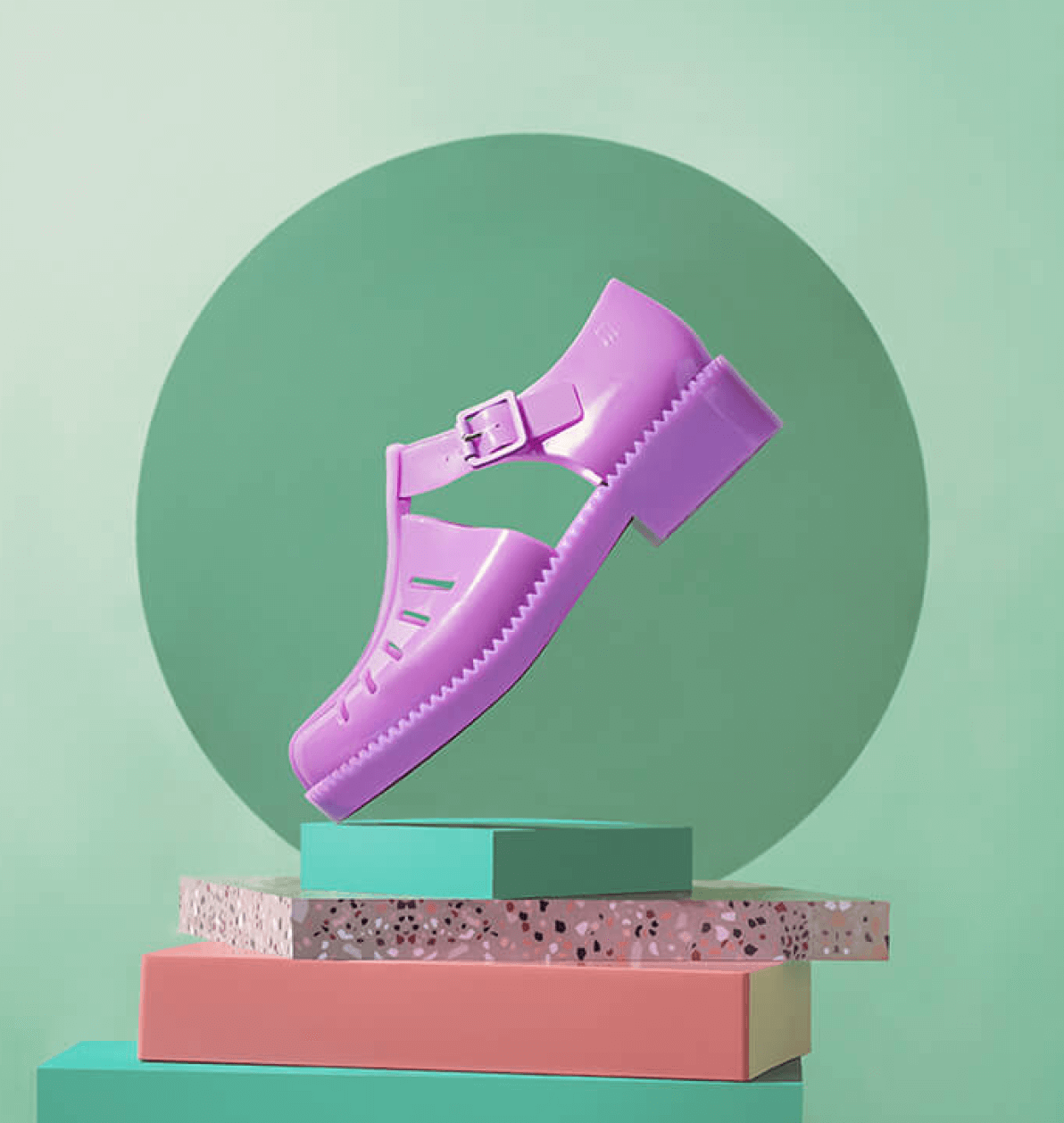
Brazilian footwear brand Melissa launched the very first jelly shoe back in 1979. The iconic "Melissa Aranha" (Portuguese for "spider") was a groundbreaking design that was created by architects (believe it or not) as an affordable and sustainable alternative to leather footwear during the 1970s oil crisis. The innovative use of PVC made these shoes accessible, durable, and perfect for Brazil's warm, humid climate.
The Melissa Aranha was an immediate hit in Brazil, capturing attention with its unique fisherman design and bold color options. By the early 1980s, the shoe had gone global, spreading to Europe and North America where it became a cultural phenomenon. Melissa pioneered the entire jelly shoe category, defining what it meant to be an authentic jelly.
So, what sets Melissa jellies apart from the countless other jelly shoe brands that followed?
What Makes Melissa Different from Other Jelly Shoes

Melissa's proprietary materials, innovative approach, and commitment to quality set them apart from the rest. Here's what makes Melissa the one, only, and uniquely original jelly:
- The Melflex® Flex. Melissa's patented Melflex® is a comfortable and ultra-flexible plastic material. Unlike rigid PVC used by other brands, Melflex® remains soft, reducing the likelihood of blisters or discomfort.
- Collaborators from the Start. In 1983, Melissa launched its first product collab with the iconic Jean-Paul Gaultier. Now, Melissa has partnered with world-renowned designers and brands like Marc Jacobs, Telfar, and Diesel to create limited-edition collections.
- Signature Scent. Every pair of Melissa shoes features a signature scent with top notes of bubblegum, base notes of summer-sweet tutti-frutti, and a heavy sense of nostalgia that has become synonymous with the brand.
- Sustainable at Heart. Melissa has committed to reducing environmental impact while maintaining the quality customers expect. Melissa shoes are 100% recyclable and produced using sustainable manufacturing practices.
When Were Jelly Shoes Popular? A Timeline of Their Cultural Impact
Jelly shoes didn't just have one singular moment of popularity. From their 1979 debut to today, they've remained culturally relevant for decades. Let’s look back at the multiple eras of jellies, from the very beginning to their peak.
Late 1970s-Early 1980s: The Original Launch
When Melissa launched the first jelly shoe in 1979, it introduced the world to an entirely new category of footwear. Early adopters embraced the colorful, translucent design as both practical and fashion-forward, setting the stage for global popularity. Melissa began international expansion shortly after, positioning jellies as an affordable, innovative alternative to leather during the oil crisis.
Mid-1980s: Peak Popularity
The mid '80s marked the height of jelly mania, reflecting pop culture and its youthful rebellion, playful self-expression, and the desire for bright, bold fashion. The "MTV era" put a spotlight on icons like Madonna and Princess Diana, who were seen wearing jelly shoes.
Late 1980s-1990s: The Decline
As the '90s approached, fashion shifted dramatically toward minimalism, grunge, and darker aesthetics. Suddenly, jelly shoes fell out of step with the times. They were dismissed as childish or kitschy as culture moved away from the excess of the '80s and embraced a more subdued, anti-fashion sensibility.
2000s-2010s: The Nostalgia Comeback
Y2K nostalgia brought jelly shoes back into the conversation in the 2000s and 2010s. Thrift stores, festival culture, and social media all played significant roles in the jelly resurgence. A new generation discovered them as retro-cool, and brands started reissuing classic styles. Just like that, jelly shoes quickly reclaimed their place among the most sought-after Y2K styles of the era.
2020s-Present: Sustainable Style Meets Y2K Trends
The current comeback of jellies has two main drivers: the Y2K aesthetic dominating fashion once again and growing consumer demand for sustainable, recyclable footwear. Melissa's product collabs with high-fashion brands have elevated jelly shoes from nostalgic novelty to legit fashion choice. Today's jellies bridge the gap between sustainability, comfort, and cutting-edge style.
Types of Jelly Shoes You Can Wear Today
Since their beginnings in 1979, jellies have evolved far beyond the original design. Today, they come in countless silhouettes for every wearing occasion, personal style, and season. Whether you're looking for casual weekend comfort or something more elevated and eye-catching, there's most certainly a jelly just for you. Here's what you'll find now:
- Jelly Shoes – This is a broad, catch-all term for closed-toe jelly footwear styles, including classic Mary Janes and loafer-inspired designs, perfect for everyday wear.
- Jelly Sandals – The strappy, fisherman design of the original jelly to gladiator-inspired styles offer maximum breathability while maintaining the signature jelly aesthetic.
- Jelly Flats – Classic slip-on styles like the Possession Ballerina make jelly flats incredibly versatile for running errands, casual office environments, or weekend brunches.
- Platform Sandals – Elevated styles like the Diesel Quantum Platform feature thick soles that add height while staying surprisingly comfortable, perfect for those who want the drama of a platform without sacrificing walkability.
- Jelly Flip Flops – The most casual option in the jelly family, styles like the Beachwear Flip feature a simple thong design perfect for beach days, poolside lounging, and hot summer weather.
- Jelly Boots – Waterproof rain boots, western boots and ankle boot styles keep your feet dry during wet weather, proving that jellies aren't just summer sandals.
- Jelly Slides – Minimalist slip-ons with a single wide strap define this easy-on, easy-off style, ideal for on-the-go moments when convenience is key.
- Jelly Heels – For dressier occasions, elevated jelly heels include pumps, wedges, and kitten heels, bringing an air of sophistication to the playful jelly shoe aesthetic.
Whether you're drawn to the iconic fisherman style of the original jelly (now known as the Melissa Possession) or something more eye-catching and fashion-forward, there's a jelly shoe for every style. Care to find your fave?
Shop by Style
Jelly Shoes | Jelly Sandals | Jelly Boots | Jelly Flats
What Are Jelly Shoes FAQs
1. Are Jelly Shoes Comfortable?
Yes! Melissa jelly shoes have always been designed for comfort. Unlike cheaper PVC materials that stay rigid, Melflex® PVC is soft and flexible. Other brands can cause blisters and discomfort, while Melissa jellies provide all-day wearability.
2. How Do You Clean Jelly Shoes?
The good thing about plastic is that it makes cleaning simple! Use warm, soapy water and a soft cloth or brush to wipe away dirt and debris from your jellies. Rinse thoroughly and air dry away from direct heat or sunlight. For more tips, check out our blog on how to clean your jelly shoes.
3. Do you wear socks with jelly shoes?
Big yes! We love rocking socks and jellies. White ruffled socks let the color of transparent jelly shoes pop even more than bare feet. Pair clear jellies with fun patterns or colored socks to mix it up even more, or coordinate jellies and socks with your entire outfit for a complete head-to-toe look.